
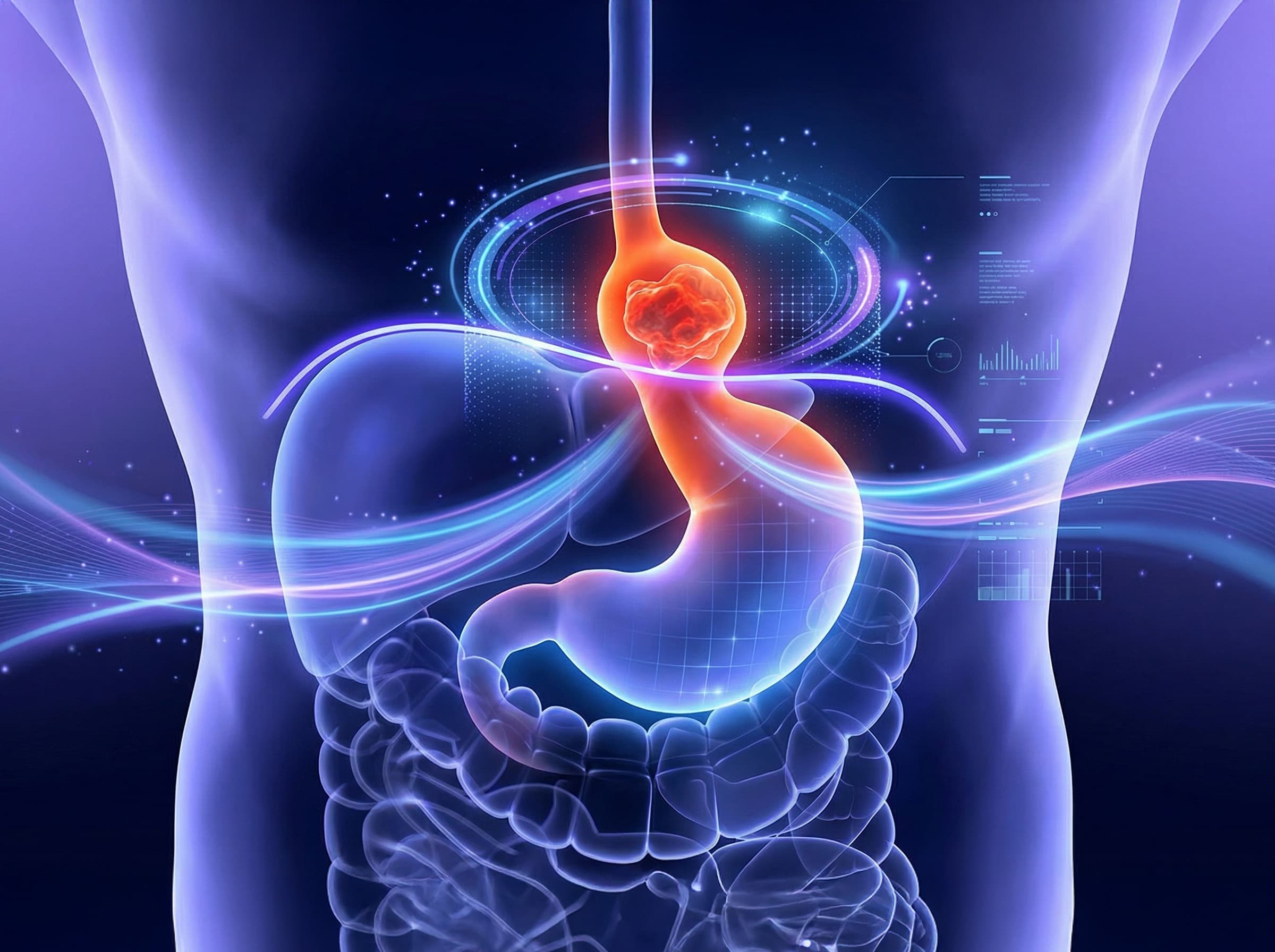
Learn about hiatal hernia, its symptoms, the risks of neglecting it, how the laparoscopic repair procedure is performed, the difference between open and laparoscopic surgery, and recovery tips after surgery.
What Is a Hiatal Hernia?
A hiatal hernia occurs when the stomach or a portion of it slides upward through the diaphragm into the chest cavity, causing acid reflux, heartburn, and chronic discomfort when left untreated.
How Do You Know You Have a Hiatal Hernia?
- Burning pain or discomfort behind the sternum (breastbone)
- Difficulty swallowing or feeling full after eating
- Acid reflux or a sour taste in the mouth
- Nausea or vomiting in severe cases
- Occasional shortness of breath in large hernias
Important Pre-Operative Tests:
- Upper GI endoscopy to determine the location and size of the hernia
- Barium swallow X-ray to monitor esophageal and stomach movement
- Esophagoscopy to detect any inflammation or ulcers
- Complete blood count and cardiac/pulmonary evaluation
Open Surgery vs. Laparoscopy:
- Open surgery: Large abdominal incision, longer recovery, more pain, higher complication risk
- Laparoscopy: Small incisions, less pain, faster recovery, lower infection risk
Steps of Laparoscopic Hiatal Hernia Repair:
- Making several small incisions in the abdomen for camera and instrument insertion
- Returning the stomach and any displaced organs to their normal position
- Reinforcing the diaphragm opening using sutures or surgical mesh to reduce recurrence
- Closing the small incisions and applying sterile dressings
Recovery After Surgery:
- Return to light activities within a few days
- Minimal pain due to small incision size
- Regular follow-up with the doctor to ensure successful repair and prevent recurrence
Tips to Prevent Hiatal Hernia Recurrence:
- Avoid heavy lifting or strenuous activity for several weeks
- Follow the prescribed diet to reduce heartburn and support healing
- Office work return: 1–2 weeks; heavy physical work: 4–6 weeks depending on doctor's evaluation