
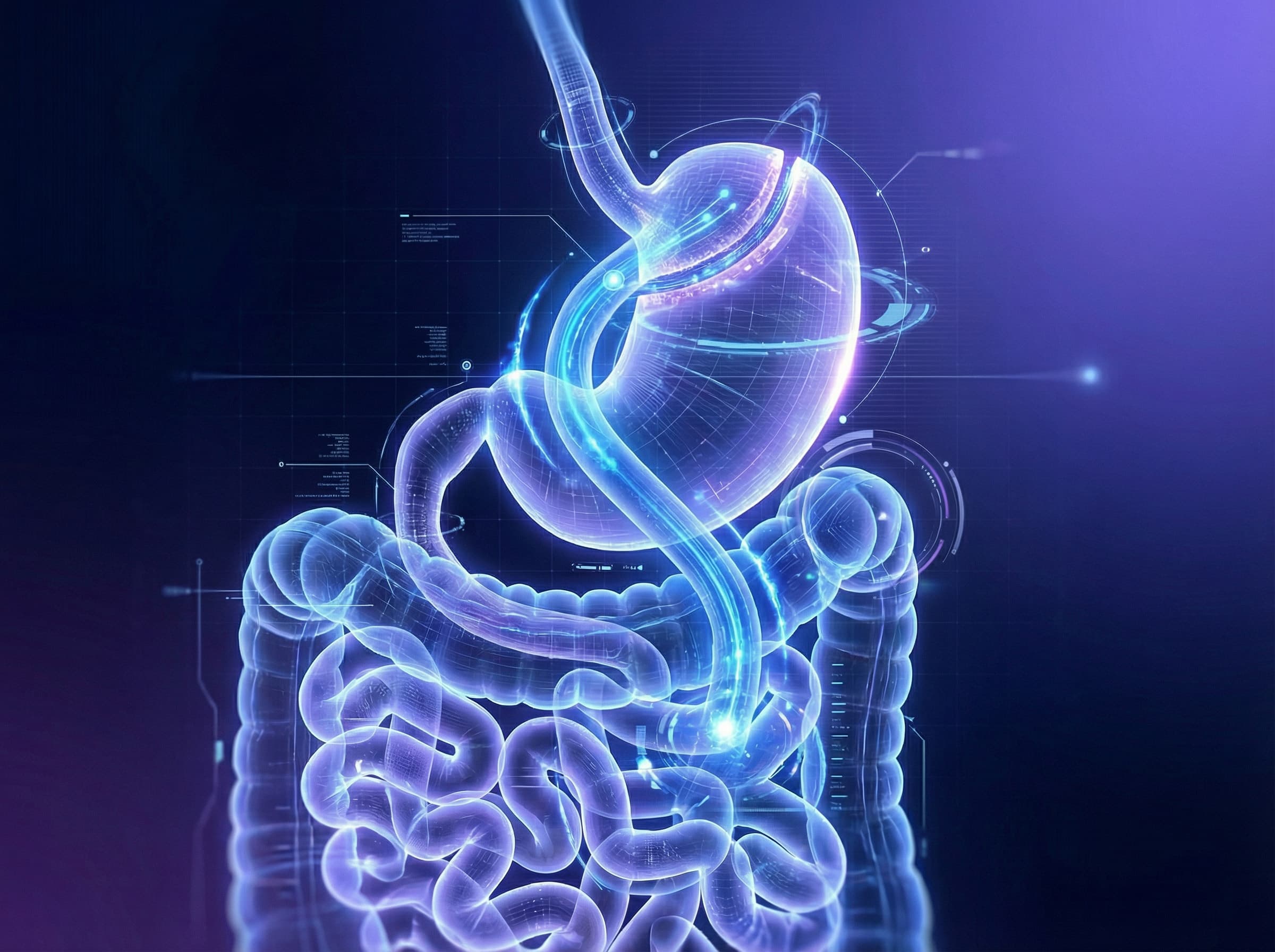
Learn about gastric bypass surgery, the difference between mini bypass and classic bypass, candidates for each type, procedure duration, complications, weight loss rates, and its impact on diabetic patients
Gastric Bypass Surgery
Gastric bypass is one of the most powerful bariatric procedures for weight loss and treating obesity-related diseases, especially Type 2 diabetes. It not only reduces stomach size but also reroutes part of the intestine to reduce calorie absorption.
What Is Gastric Bypass Surgery?
It is the second most commonly performed bariatric procedure. The stomach is reduced in size and connected to an advanced portion of the small intestine, reducing food intake and decreasing the absorption of fats and sugars.
Types of Gastric Bypass:
Classic Gastric Bypass (Roux-en-Y)
A small gastric pouch is created and connected to the intestine, bypassing a large section of it.
Mini Gastric Bypass
A more recent procedure where the stomach is connected directly to a section of the intestine without a complete separation as in the classic approach. It is technically simpler and requires less operating time.
Difference Between Mini and Classic Gastric Bypass:
- Classic bypass is more surgically complex
- Mini bypass takes less operating time
- Both are effective for weight loss
- Classic bypass may be preferred for severe acid reflux cases
Who Is a Candidate for Gastric Bypass?
- Patients with morbid obesity
- Type 2 diabetic patients
- Those with severe acid reflux (classic bypass is usually preferred)
- Patients who have failed previous bariatric procedures
Pre-Operative Preparation:
- Complete blood count
- Liver and kidney function tests
- HbA1c (glycated hemoglobin)
- ECG
- Anesthesia evaluation
- Special pre-operative diet
Possible Complications:
- Bleeding
- Anastomotic leak
- Vitamin deficiencies
- Dumping syndrome
What Is Dumping Syndrome?
A condition where the patient experiences dizziness, palpitations, or diarrhea after consuming large amounts of sugar, due to rapid food transit into the intestine. This naturally motivates patients to reduce sugar intake after surgery.
Is Gastric Bypass Reversible?
Unlike gastric sleeve surgery, gastric bypass is considered a fully reversible procedure since no portion of the stomach or intestine is actually removed — they are simply rerouted.
Gastric Bypass and Diabetes:
Gastric bypass is considered one of the most effective procedures for treating Type 2 diabetes, as it helps:
- Improve insulin sensitivity
- Reduce dependence on medication
- In many cases, lead to complete or near-complete remission of diabetes
Why Choose Dr. Mohamed Tawfik?
Dr. Mohamed Tawfik has over 17 years of experience in bariatric and laparoscopic surgery. He is a Fellow of the Royal College of Surgeons – England, and a member of the Egyptian Society of Laparoscopic Abdominal Surgery.